 Skip to content
Automotive Performance
Racing Power: Cars the BMW N64 V8 Can Outrun and How to Mod for Victory
Introduction to the BMW N64 V8
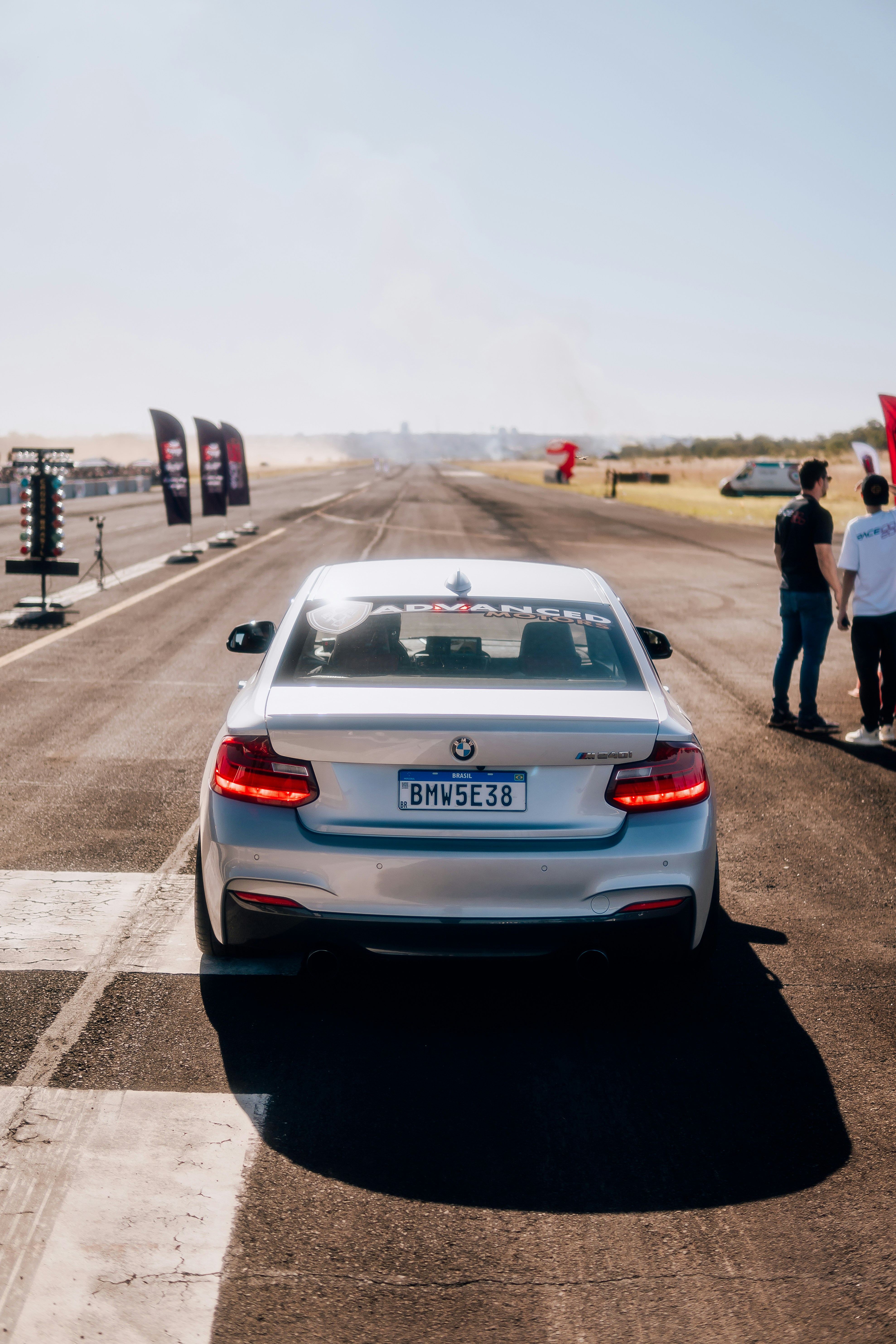
The BMW N64 V8 engine represents a significant advancement in automotive engineering, known for its exceptional balance of power and efficiency. This engine is part of BMW’s prestigious M series, designed to deliver high performance on both the streets and tracks. With a displacement of around 4.4 liters, the N64 V8 is capable of producing impressive horsepower figures, topping out at approximately 500 horsepower. This level of power ensures that vehicles equipped with this engine can compete vigorously against some of the best in racing.
Performance characteristics are critical in determining a car’s competitiveness, and the N64 V8 excels in this regard. With a torque output ranging between 400 to 500 lb-ft, drivers will appreciate the immediate and responsive acceleration that this engine provides. The seamless power delivery allows for rapid shifts in speed, making it suitable for overtaking competitors quickly. Such attributes position the BMW N64 V8 as not just a power plant, but a formidable engine capable of intense racing scenarios.
Moreover, the N64 V8 is constructed with advanced technologies that enhance overall performance. Features such as variable valve timing and high-performance exhaust systems contribute to its ability to sustain high RPMs without compromising reliability. This remarkable engineering is why many racing enthusiasts consider the BMW N64 V8 a strong contender in various racing circuits.
In summary, the BMW N64 V8 engine’s specifications and performance metrics establish it as a leading choice for those looking to dominate on the racetrack. Its combination of horsepower, torque, and advanced engineering not only showcases BMW’s dedication to performance but also sets the stage for understanding which competitors this engine can outperform in a racing environment.
Identifying Rivals: Cars the BMW N64 V8 Can Beat
The BMW N64 V8 engine, known for its impressive power output and performance characteristics, positions itself strongly against various competitors in the automotive landscape. A notable contender is the Ford Mustang GT. With its 5.0-liter V8 engine, the Mustang GT produces approximately 450 horsepower, which may seem formidable at first glance. However, the lighter weight of the BMW N64 V8 allows it to accelerate more effectively, often resulting in better lap times and straight-line speed during competitive scenarios.
Another common rival is the Subaru WRX, particularly certain trims that focus more on all-wheel drive and handling than outright power. Many mid-range Subaru WRX variants come equipped with a turbocharged flat-four engine, generating around 268 horsepower. Although the WRX has impressive handling capabilities, the raw power delivered by the BMW N64 V8 and its torque performance can lead to superior acceleration, particularly in a straight line. This advantage is especially pronounced when racing from a standing start, where the lighter and more powerful BMW often outperforms the WRX.
Other mid-range sports cars, such as the Chevrolet Camaro and various models from Nissan’s performance lineup, are also notable mentions. The Camaro, for example, offers similar horsepower numbers, but the BMW’s refined engineering and tuning often translate into better performance metrics on the road or racetrack. The Nissan 370Z, with its powerful but older V6 engine, also stands little chance against the advanced design of the N64 V8 engine. Its ability to combine lightweight construction with significant power means that many drivers behind the wheel of a BMW N64 V8 can confidently take on these competing vehicles.
Performance Modifications for the BMW N64 V8
The BMW N64 V8 engine is renowned for its robust performance and potential for tuning, making it a popular choice among automotive enthusiasts seeking to enhance speed and overall driving experience. To unlock the full capabilities of the N64 V8, several performance modifications are essential. These enhancements not only improve acceleration but also increase overall engine efficiency.
One of the primary areas for modification is engine tuning, which involves adjusting various parameters to optimize performance. A professionally tuned engine can significantly boost horsepower and torque, providing a noticeable increase in speed. This tuning process often includes fine-tuning fuel mapping and ignition timing, ensuring that the N64 V8 operates at peak efficiency under a variety of conditions.
Another crucial modification to consider is upgrading the exhaust system. A high-performance exhaust allows better airflow, reducing back pressure and enhancing engine breathing. Upgrading to a performance exhaust system can lead to notable improvements in both power output and the sound of the vehicle, aligning with the aspirations of car enthusiasts who seek not just speed but also a thrilling auditory experience.
Cold air intakes are also popular among BMW N64 V8 enthusiasts. By drawing cooler air into the engine, cold air intakes increase the air density entering the engine, which can result in more effective combustion. This modification responds directly to the need for improved power and throttle response, making it a worthwhile investment for those looking to elevate their performance.
Finally, ECU remapping plays a critical role in enhancing the performance of the N64 V8. By reprogramming the engine control unit, tuners can adjust fuel delivery, boost pressure, and ignition timing for increased power and efficiency. This modification enables the car to respond better to driving conditions and allows for a more exhilarating driving experience.
Suspension Upgrades: Improving Handling
Upgrading the suspension system of a vehicle is crucial for enhancing handling and cornering capabilities during high-performance racing. A proficient suspension setup not only contributes to better dynamics but also ensures stability on the track, allowing drivers to push their BMW N64 V8 to its limits. When considering suspension modifications, components like coilovers, sway bars, and strut braces can significantly elevate performance.
Coilovers represent an advanced upgrade that allows for adjustable ride height, which is essential for fine-tuning the vehicle’s center of gravity. By lowering the ride height, the car’s aerodynamics improve, leading to increased downforce. Additionally, coilovers permit precise adjustments to the suspension stiffness, enabling drivers to customize their setup according to different track conditions, which can enhance grip and responsiveness during corners.
Sway bars, also known as anti-roll bars, play a vital role in minimizing body roll during sharp turns. By connecting opposite wheels on an axle, sway bars help distribute weight more evenly throughout the chassis, which ultimately sharpens handling. Stronger sway bars can effectively reduce understeering and improve the vehicle’s stability at high speeds. Choosing the appropriate sway bar thickness allows drivers to tailor their car’s characteristics to match racing style and track requirements.
Strut braces further aid in improving the handling of the BMW N64 V8 by reinforcing the chassis and reducing flex during aggressive maneuvers. These braces connect the top mount of the struts, providing added rigidity to the suspension system. This added strength allows for more precise steering input and improved response during cornering, leading to shorter lap times. Implementing a combination of these suspension upgrades can create a well-rounded vehicle capable of competing effectively against other high-performance cars.
Weight Reduction Strategies
Reducing vehicle weight is a crucial factor in enhancing the performance of any racing car, including those equipped with the powerful BMW N64 V8 engine. By implementing effective strategies to decrease mass, drivers can significantly improve speed and acceleration, making them more competitive on the racetrack.
One effective method for weight reduction is the installation of lightweight racing seats. Traditional car seats can be quite heavy and are often made from materials that do not contribute to overall performance. By replacing these seats with lightweight racing models, drivers can shed several pounds without sacrificing safety or comfort. Racing seats are typically designed with materials such as fiberglass or carbon fiber, which provide necessary support while minimizing weight.
Another strategy is to remove unnecessary components from the vehicle. Many road cars are equipped with features that add weight but are superfluous for racing purposes. This can include elements such as spare tires, large audio systems, and even rear seats. By stripping down the vehicle to its core essentials, racers can achieve significant weight reductions. However, it is essential to ensure that removing components does not compromise the safety and fundamental performance of the car.
Using lightweight materials for body panels is also a vital strategy in weight reduction. Traditional metal panels can be heavy, so switching to materials like carbon fiber or aluminum can reduce substantial weight. These materials offer excellent durability and performance while considerably lowering the overall mass of the vehicle.
In conclusion, effective weight reduction is instrumental for enhancing the performance of a BMW N64 V8. By employing strategies such as installing lightweight racing seats, removing unnecessary components, and utilizing innovative materials for body panels, drivers can optimize their vehicles for improved speed and acceleration on the racetrack.
Tires and Traction: Choosing the Right Setup
In the realm of motorsport, the significance of tires cannot be overstated. They serve as the only contact point between the vehicle and the road, impacting performance, safety, and driving experience significantly. For the BMW N64 V8, selecting the right high-performance tires is crucial in enhancing both grip and traction. This ultimately leads to better handling and improved lap times.
When choosing tires, it’s essential to consider the tread pattern. A tire with an aggressive tread pattern offers superior grip on wet or uneven surfaces, while a smoother tread generally provides better performance on dry tracks. For most racing scenarios, a semi-slick tire is ideal, as it balances the need for traction with minimal rolling resistance. Such tires often feature fewer grooves, which increases the rubber’s surface area in contact with the track.
The tire compound also plays a pivotal role in achieving optimal performance. Softer compounds tend to provide superior grip but may wear out more quickly, while harder compounds last longer but can compromise traction. For the BMW N64 V8, utilizing a high-performance tire compound designed for competitive racing will ensure improved lap times and increased cornering ability. A common recommendation is the use of tires with a durometer rating of 40-60 for an excellent balance between traction and durability.
Size selection is equally important. The appropriate tire size impacts both the vehicle’s handling and aerodynamics. The standard recommendations for the BMW N64 V8 are typically wider tires that provide more surface area to enhance traction. A setup that uses 245/40 R18 tires in the front and 275/35 R18 in the rear can maximize performance, offering enhanced grip and stability during aggressive driving conditions.
By giving due attention to these factors, racers can effectively harness the full potential of the BMW N64 V8, ensuring that it outperforms competitors on the track through enhanced traction and grip.
Braking System Upgrades for Safety and Performance
When engaging in high-speed racing, ensuring an efficient and reliable braking system is paramount. The braking system of your vehicle is critical not only for performance but also for the safety of the driver and other participants on the track. Upgrading the components of the braking system can vastly enhance the overall functionality of your vehicle, particularly in high-pressure racing scenarios.
One of the first modifications to consider is upgrading the brake calipers. High-performance calipers provide improved clamping force, which translates to shorter stopping distances and better control during braking. Many racing enthusiasts opt for multi-piston calipers, as they distribute braking force more evenly across the brake pads, enhancing grip and stability when decelerating from high speeds.
Moreover, selecting larger brake rotors can significantly improve heat dissipation, preventing brake fade during extended sessions on the track. Oversized rotors increase the surface area that comes into contact with the brake pads, consequently improving friction and stopping power. Ceramic or carbon-carbon composite materials for rotors can also withstand higher temperatures, further enhancing performance in racing conditions.
Additionally, upgrading brake pads is essential. Performance-oriented brake pads are specifically designed to provide optimal grip while maintaining low levels of wear and tear. They often come with improved heat resistance, which is essential during prolonged braking when racing. Depending on the specific racing conditions, choosing the right compound for your brake pads can make a significant difference.
In summary, investing in superior braking components is crucial for any race-ready vehicle. By upgrading calipers, rotors, and pads, you ensure that your vehicle not only performs effectively on the racetrack but also maintains the necessary safety standards. With these enhancements, the BMW N64 V8 can achieve optimum racing performance, allowing you to enjoy high-speed runs with confidence and security.
Tuning the BMW N64 V8: Fine-Tuning for the Track
Tuning the BMW N64 V8 is a critical phase following any modifications, as it determines the vehicle’s performance capabilities on the track. Proper tuning not only enhances the power output of the engine but also ensures that it operates smoothly and efficiently. One of the most effective methods to achieve this is through dyno tuning, a process that measures the engine’s output in a controlled environment. This allows for real-time adjustments and provides invaluable data on how the modifications are impacting performance.
Another significant aspect of tuning involves making adjustments to the air-fuel mixture. The right balance of air and fuel is essential for optimal combustion, impacting overall power and efficiency. Too lean of a mixture can lead to engine knocking, while a too-rich mixture can waste fuel and reduce engine performance. By adjusting the mixture, tuning experts can fine-tune the BMW N64 V8 to ensure it achieves maximum horsepower without compromising reliability.
Timing adjustments also play a pivotal role in the tuning process. The ignition timing determines when the spark plug fires relative to the engine’s position in its cycle. Optimizing this timing can provide substantial gains in both torque and horsepower. Mapping the timing curve for different RPMs allows for a more responsive throttle and improved acceleration, crucial in competitive racing scenarios where every millisecond counts.
In summary, fine-tuning the BMW N64 V8 involves a combination of dyno tuning, air-fuel mixture adjustments, and timing refinements. Each element contributes to creating a high-performance vehicle that can stand up to its rivals on the track. By investing time in these tuning practices, enthusiasts can maximize the capabilities of their modified BMW N64 V8, ensuring they are well-prepared to outrun the competition.
Conclusion: The Competitive Edge of the BMW N64 V8
In the realm of motorsport, the BMW N64 V8 has established itself as a formidable contender, given its capacity to be tuned and modified for optimal performance. The enhancements made to this vehicle can significantly contribute to its capabilities on the race track. By focusing on essential modifications such as improved air intake systems, upgraded exhaust headers, and precise tuning of the engine management system, enthusiasts can harness the true potential of the N64 V8. These alterations not only heighten horsepower but also increase torque delivery, allowing the vehicle to accelerate more rapidly and achieve superior lap times.
Moreover, suspension upgrades including adjustable coil-overs and reinforced sway bars can improve handling and cornering stability, which are crucial in motorsport dynamics. When paired with lightweight materials and aerodynamic enhancements, the BMW N64 V8 becomes a tailor-made contender against rivals in its class. Its nimble nature and raw power can easily outpace various competitor models, given the right setup and tuning approach.
These modifications, alongside professional driver training, offer practical applications that can lead to significant victories in racing competitions. By understanding the mechanics behind the BMW N64 V8 and applying these insights intentionally, racing enthusiasts can unlock a competitive edge that not only highlights the performance of the vehicle but also ensures an exhilarating driving experience. Ultimately, the BMW N64 V8, when suitably equipped and fine-tuned, holds the promise of not just competing but excelling in the competitive racing landscape.