 Skip to content
Automotive
The Great M Comparison: E46 BMW M3 Owner Trey Allen Weighs In on M Series vs. M2s
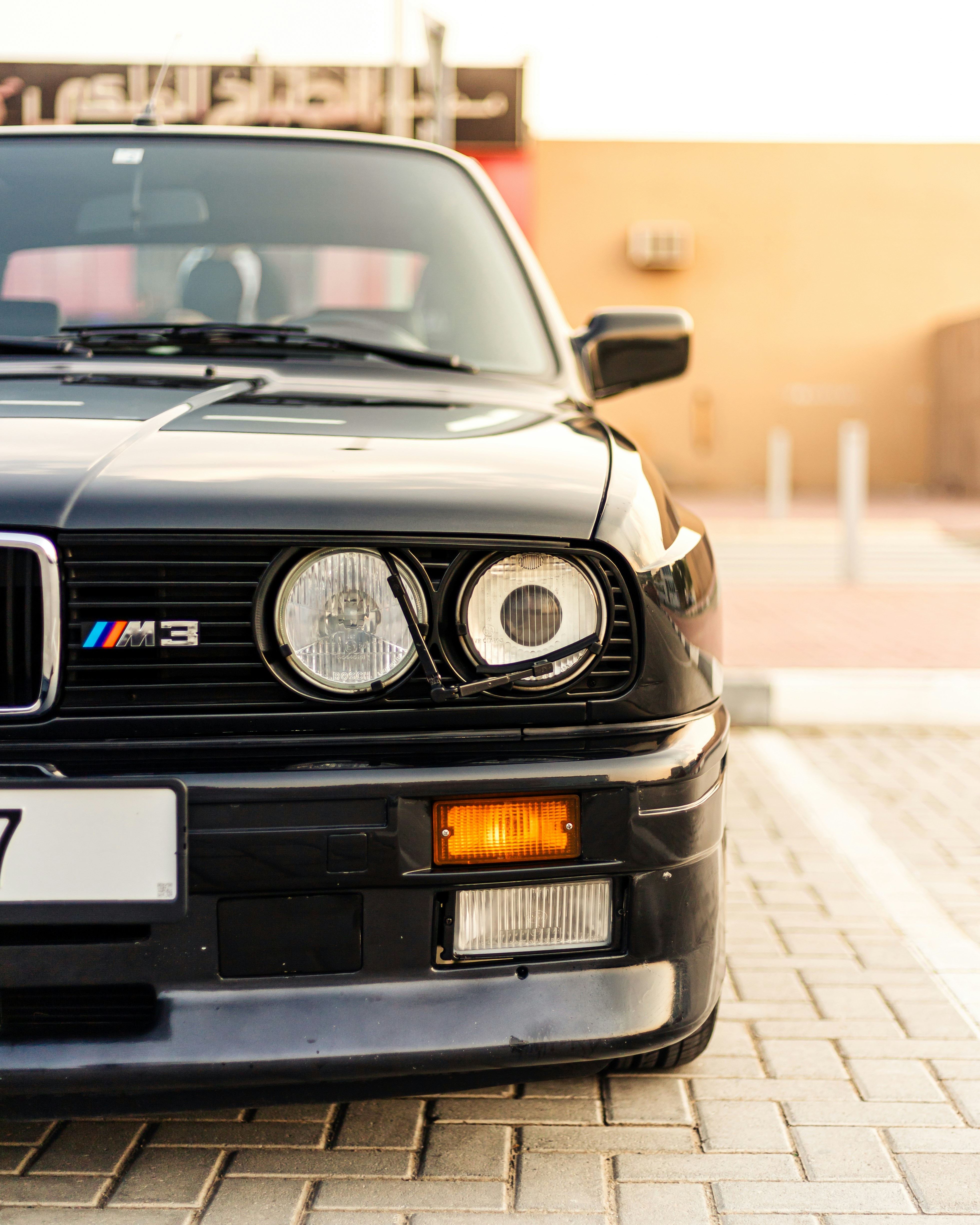
Why M Cars Rock!
When it comes to automotive excellence, BMW’s M division stands tall, capturing the hearts of car enthusiasts and casual drivers alike. The M stands for Motorsport, and it’s clear that the passion behind these exceptional vehicles is driven by a legacy steeped in performance and precision engineering. Among the lineup, the E46 BMW M3 holds a special place, often heralded as one of the most iconic M models. Its perfect blend of power, agility, and timeless design has made it a coveted choice for many owners, including our featured enthusiast, Trey Allen.
The allure of M cars goes beyond just speed; they represent a lifestyle, a commitment to driving pleasure that many automotive brands fail to achieve. Whether it’s the roars of the exhaust, the crisp handling around corners, or the adrenaline rush felt during a spirited drive, M cars tantalize the senses. The M3, known for its sharp dynamics and iconic inline-six engine, invites drivers into a world where the road is a canvas for performance art.
While the E46 M3 has solidified itself as a classic, the M2 series offers a more modern take on the M ethos. Combining the raw excitement of a smaller chassis with impressive powertrain options, M2s have rapidly gained a loyal following. Owning an M2 is akin to having access to a secret club where driving enthusiasts share stories of thrills and technical quirks about their beloved machines.
With both M3s and M2s readily capturing the essence of what it means to be a BMW driver, it’s no wonder why these cars command such passion within the automotive community. They are more than just vehicles; they are symbols of dedication, innovation, and of course, joy behind the wheel. So, buckle up and get ready to dive deeper into the world of BMW’s M division with us!
The E46 M3: A Legend is Born
The E46 BMW M3, produced from 2000 to 2006, is often heralded as one of the finest models in the M series lineup. With a powerful 3.2-liter inline-six engine, known as the S54, it delivers an exhilarating output of 333 horsepower and 262 lb-ft of torque. This impressive performance allows the E46 M3 to accelerate from 0 to 60 mph in just around 5.1 seconds, making it a formidable contender on both the road and the track. The remarkable balance and precision of the E46 M3 are partly attributed to its lightweight chassis and advanced suspension systems, which provide exceptional handling and driving dynamics.
Among car enthusiasts, the E46 M3 has attained iconic status, celebrated for its combination of performance, styling, and engaging driving experience. Its distinctive design features, such as the wide fenders, aggressive front bumper, and the classic M badging, add to its allure as a timeless sports car. Car owners often share fond memories of their times behind the wheel, noting the car’s ability to provide a visceral connection between driver and machine.
Trey Allen, an ardent M3 enthusiast and proud owner of an E46 model, relishes every aspect of his connection to the car. He often recounts humorous anecdotes from his ownership, such as the time he attempted to impress friends with a quick drive, only to lose his sunglasses when taking a turn a bit too swiftly. His experiences highlight the camaraderie often found within the community of E46 M3 owners, who share stories of their adventures and misadventures with the car.
With such a storied legacy, the E46 M3 is not merely a vehicle; it represents a milestone in automotive history, capturing the hearts of enthusiasts and solidifying its place as a benchmark for future M models. Trey Allen’s reflections on this model encapsulate its lasting impact and the joy it continues to bring to its owners, making it a true legend in the M series.
The Other M3 Generations: A Brief Overview
The BMW M3 has undergone significant transformations since its inception, with each generation showcasing distinctive characteristics, advancements in technology, and changes in design philosophy. Starting with the E90/E92 M3 series (2007-2013), this generation marked a shift towards a more refined driving experience while maintaining the performance M enthusiasts expect. Powering the E92 is the impressive 4.0-liter V8 engine, which offers exhilarating acceleration and a thrilling exhaust note. However, this transition also brought attention to weight concerns, as the model is heavier than its predecessors, leading to mixed feedback from purists.
Following the E90, the F80 M3 debuted in 2011, significantly raising the bar with its 3.0-liter inline-six turbocharged engine. This new powerplant not only boosted performance figures but also improved fuel efficiency—a crucial factor in today’s automotive market. The F80’s chassis technology, including adaptive dampers and improved aerodynamics, contributed to a more engaging driving experience. Nonetheless, the F80 faced criticism for its steering feel, which some enthusiasts felt lacked the communicative feedback found in earlier models.
Most recently, the G80 M3 was introduced, rewarding fans with a return to a more aggressive style and improved technology. Its enhanced digital interfaces and advanced safety features cater to a modern driver while maintaining the M ethos of performance. The G80’s introduction of a turbocharged six-cylinder and a power increase to 473 hp, or even 503 hp in the Competition variant, has kept it competitive in a segment that is shifting towards hybrid and electric performance. Each iteration of the M3 has displayed a commitment to evolution, striving to balance technology with the unrelenting pursuit of driving performance, ensuring that the M brand continues to resonate with its dedicated fanbase.
The M2: BMW’s Compact Powerhouse
The BMW M2 has quickly established itself as a formidable competitor in the sports car arena, notably for its blend of power, agility, and engaging dynamics. The base M2 offers an impressive array of performance features, presenting a platform that encapsulates the essence of the M series. With its turbocharged inline-six engine, delivering a robust output, the M2 showcases rapid acceleration that keeps drivers enthralled.
One of the defining characteristics of the M2 is its compact size, which allows for nimble handling and responsive cornering. Drivers can experience the terrific balance that comes from its rear-wheel-drive configuration, making it exceptionally fun to drive on winding roads. This smaller footprint does not mean sacrificing comfort or technology; the M2 is well-equipped with modern amenities and driver-focused interfaces. Whether on the tracks or daily commutes, it possesses a versatile nature that many enthusiasts appreciate.
In the evolution of this model, the M2 Competition amplifies these traits even further. With increased horsepower and enhancements in the suspension system, it brings a touch of ferocity to the compact design. The Competition variant is engineered not only to perform but to engage emotionally with the driver, an essence that is often cited in discussions about the heart of BMW performance.
Adding a humorous tone to the conversation, one might say the M2 possesses a big personality within its compact build, dwarfing much larger rivals. The M2 generates a performance output that rivals its M3 counterparts yet takes it all in the stride of a smaller, more mischievous package. Enthusiasts often enjoy how this smaller model manages to evoke the same level of excitement and driving pleasure associated with the larger M models.
Value vs. Fun: A Pricey Debate
The ongoing debate among automotive enthusiasts regarding the value of M Series vehicles, specifically the M3 and M2, often hinges on how well these models retain their worth amidst the fluctuating car market. Enthusiasts tend to view the M3 as a blend of performance and daily usability, while the M2 presents a more agile and fun driving experience. However, when it comes to the issue of value retention, the nuances between these two compelling models become apparent.
Market analysis reveals that the E46 BMW M3, widely regarded as one of the best iterations of the M Series, has not only held its value but, in some instances, has appreciated in price since its production years. Collectors and enthusiasts are drawn to its iconic status and engaging driving dynamics, leading to a vibrant secondary market. While initial depreciation for these vehicles is typical, the sharp decline often observed in non-M vehicles does not apply to the M3, as its desirability remains intact among collectors.
In contrast, the M2 has found its place as the “affordable sports car” in BMW’s lineup. Despite offering thrilling performance, its value retention is more volatile due to larger production numbers and market saturation. It may be a fantastic option for those looking for an exhilarating driving experience, but the financial implications can be a bitter pill to swallow when compared to the M3. It’s somewhat like the financial decision of choosing between ordering a gourmet meal or a pizza: both are enjoyable, but one will leave a lasting impression, and perhaps a distinguished taste, while the other may quickly be forgotten.
Ultimately, while both series offer distinct thrills, the M3 stands out for those looking to make an investment, as it appeals not only to the sentiments of ownership but also to the burgeoning interest of collectors, thus embodying a clear advantage in long-term value retention. The M2, while undoubtedly fun, may present challenges in holding its value as the years progress.
Performance Showdown: M3 vs M2
The performance of the BMW M3 and M2 models elicits intense debate among automotive enthusiasts, particularly regarding their respective capabilities and driving experiences. The E46 M3, a legendary piece of engineering, boasts a robust inline-six engine that propels it from 0-60 mph in a swift 5.1 seconds, establishing its dominance on both the street and track. In contrast, newer M2 iterations, such as the M2 Competition, have made a notable impression with their spirited performance, achieving the same 0-60 mph mark in approximately 4 seconds, thanks to enhanced turbocharged power.
When discussing lap times, the tantalizing rivalry becomes clearer. With the M3 traditionally equipped with a more sophisticated suspension system and weight distribution, it often outperforms the M2 on longer tracks. However, the M2’s lighter frame can be advantageous on tighter circuits, allowing for nimble handling and quicker apex speeds. A personal account highlights this when taking both models for a spin at a local racetrack: the M3’s power and precision felt like driving a well-oiled machine, while the M2 brought exhilarating fun that made me feel like a playful kid again behind the wheel.
Despite their differences, driving both the M3 and M2 produces a unique joy. The M3’s guttural roar commands respect, while the M2’s tight throttle response feels all about pure joy. A humorous moment arose when I attempted a drift in the M2 during a casual meet-up, only to have it gracefully slide into a small gravel section, showcasing both the spirited nature of the car and a touch of inexperience. Ultimately, the dynamics between these two are so thrilling, making it nearly impossible not to appreciate them both for their distinctive flavors of excitement on the road.
Maintenance Mania: Keeping These Beasts in Check
Owning a vehicle from the M Series, such as the E46 BMW M3 or the M2, brings an exhilarating driving experience, but it also requires a commitment to maintenance. Understanding the intricacies of upkeep for both models can save owners from unexpected expenses and enhance the longevity of these high-performance machines. The E46 M3, a classic icon, often touted for its driving dynamics, may present its own unique set of maintenance challenges compared to the more contemporary M2.
When it comes to costs, owning an E46 M3 often involves regular inspections for common issues such as rear subframe failures and rod bearing wear. These can be costly if not addressed early; thus, proactive maintenance plays a vital role. Conversely, the M2, being a newer model, typically boasts fewer age-related problems but can still encounter issues, such as turbo failure or cooling system quirks, particularly as it approaches higher mileage.
For both models, a DIY spirit can significantly cut down on maintenance expenses. Enthusiastic owners often take on projects themselves, whether it’s swapping the oil or tackling a more complex task like swapping out spark plugs. This not only fosters a deeper connection with the vehicle but can also amplify the satisfaction of ownership. It might be worth indulging in good-natured humor about maintenance: after all, investing in a toolkit for DIY repairs could unlock a plethora of amusing tales—like the time a simple oil change turned into an expedition involving a toolbox out of a pirate movie!
Ultimately, while both the E46 M3 and M2 require attention, the investment in maintenance pays off with rewarding performance and capabilities. Owners must navigate the delicate balance of costs against the thrill of driving, ensuring that each model remains in peak condition provides an exhilarating ride. The choice between the M3 and M2 might ultimately hinge on how much time and energy one is willing to devote to maintenance—an adventure in itself!
The Community: Enthusiasts Unite!
The realm of BMW M enthusiasts extends far beyond the ownership of a high-performance vehicle; it embodies a thriving community of passionate individuals who share a deep appreciation for engineering excellence and the thrill of driving. This community, known for its welcoming nature, creates an environment where owners and fans can gather, exchange ideas, and discuss their experiences with the iconic M Series models, including the highly revered E46 BMW M3.
Car meets serve as a popular platform for these enthusiasts to connect in person, showcasing their prized possessions while sharing stories about their journeys with M cars. Whether it’s a casual weekend gathering at a local coffee shop or a large organized event, the energy is palpable. Owners often share humorous anecdotes about their experiences, challenges during ownership, or modifications they have undertaken to enhance their vehicles. These interactions forge lasting friendships, strengthening the bond among M3 owners and fellow BMW aficionados.
Online forums have become another vital avenue for M Series enthusiasts to unite. Platforms dedicated to BMW discussions facilitate exchanges of technical advice, reviews of aftermarket parts, and tips for car maintenance. Many owners delight in recounting their road trips taken with fellow enthusiasts, narrating tales of camaraderie as they tackled winding roads, explored picturesque backdrops, and attended racing events together. This digital aspect of community engagement not only complements the physical gatherings but also allows for a diverse array of voices and experiences to contribute, fostering a rich culture surrounding BMW M ownership.
Conclusion: The Best of the Best?
In evaluating the M Series against the newer M2 models, Trey Allen presents a compelling case for both. From his perspective as an E46 BMW M3 owner, the nostalgia and raw driving experience offered by the E46 M3 is hard to rival. This model encapsulates the essence of the M brand—balancing power, precision, and a driver-centric interface that many enthusiasts cherish. The visceral connection to the E46 not only fosters a deep appreciation for its mechanical prowess but also highlights the timeless appeal of earlier BMW M vehicles.
On the other hand, Trey acknowledges the advancements found in the M2 lineup, which boasts enhanced technology and performance. These attributes are appealing, particularly for those who prefer a modern driving experience with all the accompanying conveniences. The M2 can be seen as fairly representative of BMW’s evolution in sportscars, offering impressive handling and power that make it a formidable contender. Trey believes that the value and enjoyment you derive from either model depend significantly on what you prioritize in a driving experience.
Ultimately, determining which model holds more value requires personal reflection on what ‘fun’ means to each driver. Do you appreciate the classic analog feel of the E46 M3, or is the cutting-edge efficiency of the M2 more in line with your expectations? Most importantly, when it comes to M ownership, Trey humorously notes that it’s the intoxicating experience of driving that truly matters, regardless of the model you prefer. So, whether you’re in the driver’s seat of an E46 or an M2, the joy of BMW’s M lineup is universal.
We invite all readers to share their M series experiences in the comments below—let’s celebrate this extraordinary line of performance vehicles together!