 Skip to content
Automotive
Finding the Perfect BMW for Yourself: A Comprehensive Guide
Understanding BMW Models and Their Variants
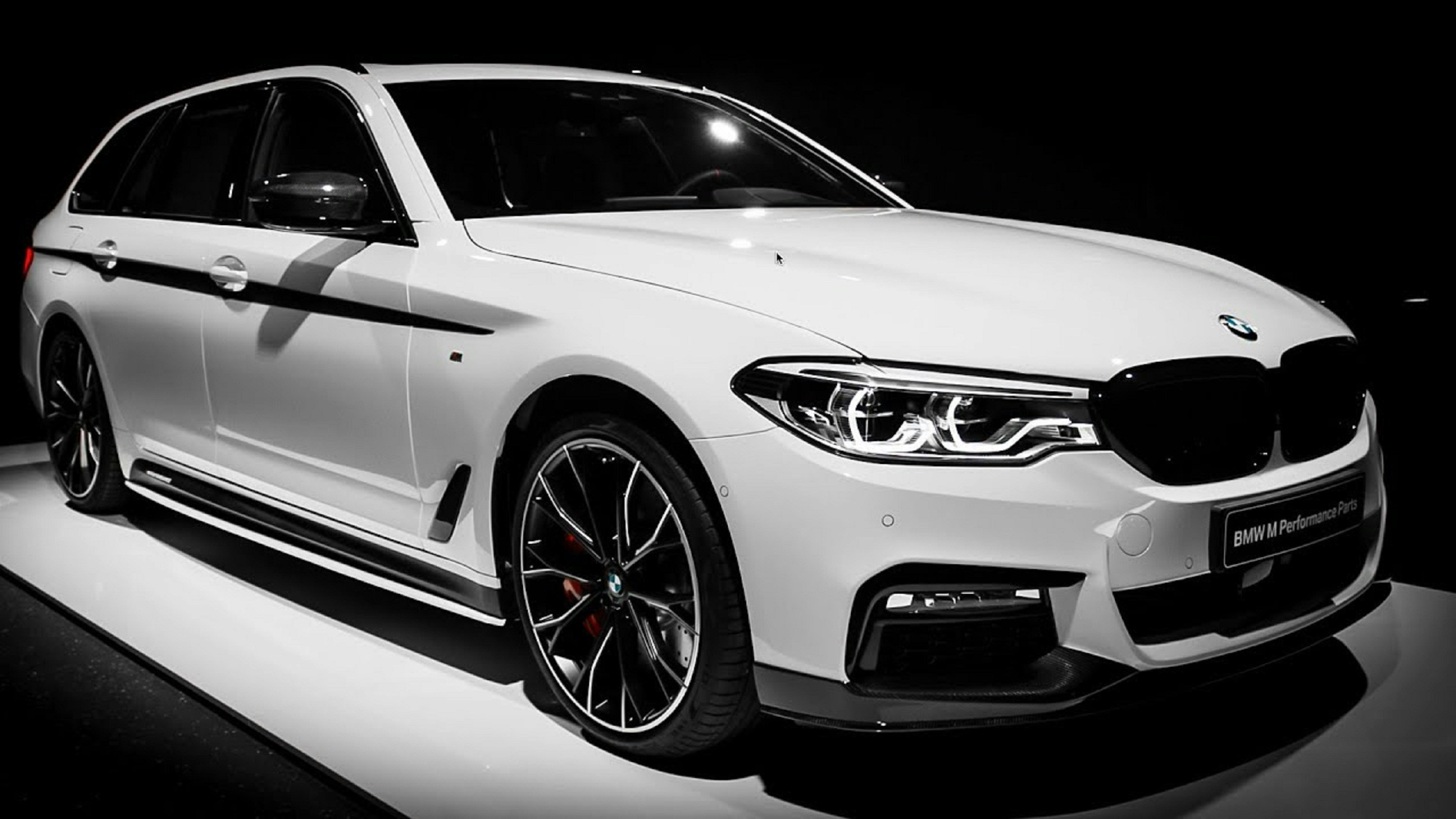
BMW, a renowned leader in the automotive industry, offers a diverse range of models catering to various preferences and performance requirements. The brand’s lineup encompasses several series, with each series representing a unique design philosophy and targeted demographic. Among the most popular are the 1 Series, 3 Series, 5 Series, and X models.
The 1 Series serves as BMW’s entry-level model, designed primarily for urban drivers seeking a compact yet agile vehicle. This series emphasizes practicality without sacrificing the driving pleasure that BMW is known for. With its sporty design and numerous technological features, the 1 Series is ideal for those desiring a dynamic yet manageable vehicle.
Meanwhile, the 3 Series is often considered the quintessential BMW. It embodies a perfect blend of luxury and performance, appealing to a wide range of consumers. Available in several variants, including sedan and touring styles, the 3 Series offers powerful engines, an engaging driving experience, and advanced safety features, ensuring it meets both commuting and leisure needs.
For those seeking something larger and more versatile, the 5 Series stands out with its spacious interior and refined design. This series targets professionals and families requiring additional room without compromising on performance. The 5 Series is equipped with innovative technology and a range of powerful engines that deliver both comfort and dynamic handling.
Lastly, the X models, particularly the X3 and X5, are BMW’s foray into the luxury SUV market. These vehicles combine robust off-road capabilities with luxurious interiors and advanced features. Designed for those who prioritize versatility and performance, the X models are perfect for individuals or families that need a spacious and capable vehicle.
Each of these BMW series and their variants offer something unique, ensuring that potential buyers can find the perfect match that aligns with their preferences, lifestyles, and driving ambitions.
Setting Your Budget and Financing Options
When considering the purchase of a BMW, an essential initial step is establishing your budget. This involves not only the purchase price but also the total cost of ownership, which includes insurance, maintenance, and potential repairs. Researching various BMW models can help you identify price ranges and determine which features are necessary for your preferences and lifestyle.
Your financial circumstances will greatly influence your options, so it is crucial to assess your income and expenses thoroughly. A general recommendation is that your monthly car payment should not exceed 15% of your monthly take-home pay. This figure should guide you in determining a sustainable purchase price that aligns with your financial capabilities.
Financing options for acquiring a BMW include leasing, loans, and cash purchases. Leasing allows you to enjoy driving a new car while making lower monthly payments, yet ultimately you do not own the vehicle outright. Loans, on the other hand, enable you to finance the purchase of a car, leading to ownership upon final payment. Cash purchases grant you full ownership immediately without ongoing payments, making it an attractive option for those with available funds.
To secure the best deal, researching financing rates from various lenders, including banks and dealerships, is advisable. Additionally, understanding your credit score can help you negotiate better interest rates. When approaching negotiations, be sure to focus on the total cost rather than just the monthly payment; this will provide a comprehensive view of your financial commitment. Moreover, consider the potential resale value of the BMW you choose, as this impacts your total investment over time.
Choosing Between New and Used BMWs
Deciding whether to purchase a new or used BMW can be a complex decision that hinges on several factors including budget, personal preferences, and individual circumstances. Each option has its pros and cons, which must be carefully weighed before arriving at a decision.
One of the most significant advantages of buying a new BMW is the warranty coverage. New vehicles typically come with extensive warranties which provide peace of mind against unexpected repairs. Additionally, purchasing a new car means that you can tailor almost every aspect of it to your liking, from the color to the specifications. However, a key downside is the depreciation factor; a new car loses a significant portion of its value within the first few years of ownership. For individuals looking to resell their vehicle, this depreciation can result in a lesser return on investment.
On the other hand, buying a used BMW presents a more affordable option. Used cars typically have lower purchase prices and less depreciation that occurs after the first few years. Nonetheless, buyers should be cautious, as used vehicles can also come with hidden costs such as more frequent repairs and maintenance that older models may require. Moreover, the vehicle’s history can affect its reliability and performance, making it essential to conduct thorough research or request a vehicle history report.
Another appealing option is purchasing a certified pre-owned (CPO) BMW. CPO vehicles combine the benefits of buying used with some of the advantages of new. They have undergone rigorous inspections and often come with extended warranties, thus providing a blend of affordability and reliability. It’s important to investigate CPO programs to see which benefits align with your needs.
Identifying Your Personal Preferences and Needs
When it comes to selecting the perfect BMW, understanding your personal preferences and needs is paramount. The first consideration should be the primary use of the vehicle; for instance, will it serve as your daily commuter, a family vehicle, or a luxury sports car? Daily commuters often prioritize fuel efficiency and comfort, while those looking for a family vehicle might focus on spaciousness and safety features.
Another facet to consider is your lifestyle. If you lead an active lifestyle, a BMW SUV or a sportier model may align more closely with your needs, offering versatility for outdoor adventures and family outings. Conversely, if your preference leans towards a refined driving experience, a luxury sedan might be more suitable, providing the comfort and elegance associated with the BMW brand.
Family size also plays a significant role in your decision-making process. For singles or couples, a smaller model like the BMW 2 Series might suffice, while larger families could benefit from the additional space that an X5 or X7 offers. Furthermore, assess the technology and performance features you desire in your vehicle. BMW models are equipped with various technological advancements such as advanced navigation systems, premium sound systems, and driver assistance features, all of which can enhance your driving experience.
Additionally, contemplate your budget, as different BMW models come with varying price points and expenses related to maintenance and insurance. Taking the time to evaluate these factors will not only guide you toward the right model but will also ensure that your BMW complements your lifestyle, preferences, and needs effectively.
Test Driving and Evaluating Performance
When embarking on the journey to find the perfect BMW, it is crucial to prioritize the test-driving phase. A well-rounded test drive allows potential buyers to assess not only how a vehicle looks but also how it feels on the road. This phase serves as an essential step in evaluating the dynamics of the car, ensuring it aligns with one’s driving preferences and lifestyle.
During your test drive, consider evaluating several key performance aspects that can significantly impact your overall experience:
- Acceleration: Note how quickly the vehicle responds when you press the accelerator. Immediate, smooth acceleration signifies an efficient engine. Test the car in various driving conditions to gain a full perspective.
- Handling: Pay attention to how the car navigates turns and responds to steering inputs. A well-balanced BMW should provide both precision and agility, allowing for confident handling in both urban and highway environments.
- Comfort: Evaluate the seating and ride comfort during your drive. The BMW experience should encompass ergonomic seating, ample legroom, and a ride quality that accommodates long journeys without fatigue.
- Technology Features: Familiarize yourself with the car’s controls, infotainment system, and safety features. Assess the intuitiveness of the interface and the clarity of the displays while ensuring that connectivity features, such as Bluetooth, function seamlessly.
Additionally, it is advisable to compare several models under varying conditions. Test driving different BMW variants fosters a better understanding of the subtle differences in their performance attributes and characteristics. Every model offers a unique driving experience, and firsthand knowledge can assist tremendously in making an informed decision.
Researching BMW’s Reliability and Maintenance
When considering a BMW, one of the most critical aspects to investigate is the vehicle’s reliability and maintenance. Understanding the reliability ratings of various BMW models is paramount for ensuring a sound investment. Manufacturers like BMW offer a blend of performance and luxury, but this can come at the cost of higher maintenance and potential mechanical issues. Conducting thorough research is essential to empathize with the long-term expenses associated with ownership.
To begin researching a specific model’s reliability, one can utilize several online resources. Websites such as Consumer Reports and J.D. Power provide extensive reliability ratings, allowing potential buyers to compare models based on owner feedback and expert assessments. Furthermore, these platforms often highlight common issues reported by BMW owners, which can serve as a preliminary guide when evaluating the model’s dependability.
Online forums and communities are also valuable resources for obtaining firsthand experiences from current BMW owners. Platforms such as BMW Forums and Reddit can offer insights into specific problems, solutions, and overall satisfaction levels. Engaging in these discussions can provide a more nuanced understanding of the craftsmanship behind the brand and any recurring issues that may not be evident in official reports.
Additionally, understanding the cost of maintenance is crucial. BMWs generally demand higher upkeep costs compared to non-luxury vehicles. Websites like Edmunds and Kelley Blue Book can provide information on typical service intervals, costs of routine maintenance, and the long-term ownership expenses associated with different BMW models. Knowing how often you may need to visit a service center and what the service might entail is essential in calculating total ownership expenses.
In conclusion, by conducting thorough research on reliability and maintenance, prospective BMW owners can make informed decisions that align with their budget and expectations. Utilizing reliable resources and engaging with current owners offers a comprehensive look into the efficiency and care required for maintaining a BMW vehicle.
Finding a Reputable Dealership or Private Seller
When embarking on the journey to purchase a BMW, identifying a reliable dealership or private seller is crucial. A reputable dealer not only sells quality vehicles but also provides a trustworthy buying experience. Begin your search by conducting thorough research online. Utilize platforms such as Google, Yelp, and specialized automotive forums to read customer reviews and ratings for various dealerships. Take note of consistent positive feedback regarding service quality and vehicle condition, as this often reflects the dealer’s commitment to customer satisfaction.
Additionally, consider seeking recommendations from friends, family, or acquaintances who have previously purchased a BMW. Personal experiences can provide valuable insight into local dealers or trustworthy private sellers. Once you have a list of potential candidates, it is essential to visit these dealerships or meet with private sellers in person. During your visit, observe the cleanliness and organization of the dealership, as a well-maintained environment often indicates professionalism.
When engaging with sellers, be prepared to ask specific questions related to the vehicle’s history, maintenance records, and any warranties available. For dealerships, inquire about service options, financing plans, and return policies. For private sellers, emphasize the importance of a full vehicle history report and a thorough inspection prior to any purchase. Recognize red flags such as evasive answers, limited documentation, or overly aggressive sales tactics, as these may indicate potential issues with the vehicle or the seller’s integrity.
Taking the time to investigate and evaluate your options is essential when searching for a reputable BMW dealership or private seller. Ensuring a transparent and honest process helps in making an informed decision, ultimately leading to a satisfactory purchase experience.
Understanding BMW Ownership and Community
Owning a BMW transcends the mere act of driving; it is an immersive experience steeped in tradition and community. The allure of BMW ownership stems not only from the high-performance vehicles and cutting-edge technology but also from the rich culture that comes with being a part of the BMW family. When one becomes a BMW owner, they gain access to a network of enthusiasts who share a common passion for these distinguished automobiles.
The BMW ownership community is a diverse group united by their love for the brand. This community can be found at various levels, from local clubs to international gatherings. Enthusiast clubs are often organized based on specific models or interests, providing a platform for members to connect, share experiences, and foster friendships. These clubs are invaluable for new owners seeking guidance, as they allow individuals to learn from seasoned enthusiasts who have navigated similar issues with their vehicles.
In addition to clubs, numerous online forums dedicated to BMW owners serve as a hub for discussion, technical advice, and sharing of personalized modifications. These digital spaces are crucial for any BMW aficionado looking to enhance their knowledge about vehicle maintenance or upgrades. Resources such as technical specifications, owner reviews, and troubleshooting tips are often shared freely, guiding owners in optimizing their driving experience.
Moreover, attending events organized by these communities can be extremely rewarding. Car shows, track days, and meet-ups provide owners with opportunities to showcase their vehicles while enjoying the camaraderie of fellow BMW enthusiasts. These events highlight the unique qualities of each model and foster a sense of belonging among participants.
Ultimately, the benefits of being part of the BMW ownership community are manifold. Not only do owners gain access to a wealth of knowledge, but they also establish connections that can lead to lifelong friendships and unforgettable experiences. This sense of community transforms the act of owning a BMW into a journey, marked by shared passion and unparalleled support.
Making the Final Purchase and Post-Purchase Considerations
The final steps of purchasing a BMW are crucial for ensuring a smooth transition into ownership. Once you have selected your vehicle, the next phase is diving into the necessary paperwork. This stage typically involves finalizing the payment details, signing the sales contract, and handling any financing arrangements. It is imperative to review the contract meticulously, ensuring that all terms are accurate and agreeable, thus avoiding any potential misunderstandings later on.
Following the completion of the paperwork, you will need to address registration and title transfer. This process varies by location, so it is advisable to check with your local motor vehicle department for specific requirements. Generally, you will need proof of identity, residency, and possibly proof of insurance to complete the registration. Also, obtaining adequate car insurance is essential for protecting your investment while meeting legal requirements.
After securing your BMW, consider personalizing the vehicle to reflect your style. Customization options can range from aesthetic upgrades, such as custom rims or decals, to functional enhancements, including performance tuning. Engaging with the BMW community can also enrich your ownership experience. Joining BMW enthusiast clubs can provide you with valuable resources, camaraderie, and opportunities to attend events that celebrate the brand.
Moreover, embracing a proper maintenance routine is vital for longevity and performance. Regularly scheduled maintenance, such as oil changes, tire rotations, and fluid checks, will help preserve your BMW’s condition and efficiency. It is advisable to consult your owner’s manual for specific maintenance schedules and services recommended by the manufacturer. By investing time and resources into these post-purchase considerations, you can effectively enjoy your BMW to its fullest potential.